




SALES PROFESSIONALS, COACHES, ENTREPRENEURS & BUSINESS OWNERS
Increase Your Sales, Transform Business
helping business owners, entrepreneurs & sales professionals successfully Increase their sales Performance
Increase Your Sales AND REVENUE
helping business owners, entrepreneurs & sales professionals successfully Increase their sales Performance
COMPANIES ERIC WORKED WITH:



Companies Eric Worked With



Who is Eric Lofholm?
Eric Lofholm is a master sales trainer, author, coach & speaker who has trained thousands of sales professionals & businesses across the U.S. & internationally.
Eric is President and CEO of Eric Lofholm International Inc, an organization dedicated to professionally train people on the art and science of selling, helping them achieve exceptional sales results!
To this day, Eric has:
25 years in commissioned sales
Made over 10,000 sales
20+ years professionally training salespeople
Trained over 10,000 sales professionals & businesses
Made over 100,000 cold calls
As an Author, speaker, and sales coach, Eric’s methodology centers on the idea that
"Selling Equals Service" and believes that selling is a learned skill.
He is the author of 15 books
Led over 1,000 training webinars and conferences
Created over 100 sales training videos
Eric Lofholm International's mission is to help people & businesses increase their sales.
To achieve this, Eric offers the best sales training resources, products & classes designed to help you master the art of delivering impactful sales presentations.
Let Eric Lofholm lead you toward sales success!

COMPANIES ERIC WORKED WITH



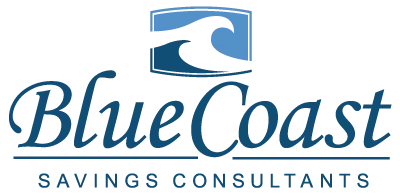

MEET THE FOUNDER & CEO
Eric Lofholm
Eric Lofholm is a master sales trainer, author, coach & speaker who has trained thousands of sales professionals & businesses across the U.S. & internationally.
Eric is President and CEO of Eric Lofholm International Inc, an organization dedicated to professionally train people on the art and science of selling, helping them achieve exceptional sales results!
Eric Lofholm is a master sales trainer, author, coach & speaker who has trained thousands of sales professionals & businesses across the U.S. & internationally.
Eric is President and CEO of Eric Lofholm International Inc, an organization dedicated to professionally train people on the art and science of selling, helping them achieve exceptional sales results!
To this day, Eric has:
25 years in commissioned salesMade over 10,000 sales20+ years professionally training salespeopleTrained over 10,000 sales professionals & businessesMade over 100,000 cold calls
As an Author, speaker, and sales coach, Eric’s methodology centers on the idea that"Selling Equals Service" and believes that selling is a learned skill.
He is the author of 15 booksLed over 1,000 training webinars and conferencesCreated over 100 sales training videos
Eric Lofholm International's mission is to help people & businesses increase their sales.
To achieve this, Eric offers the best sales training resources, products & classes designed to help you master the art of delivering impactful sales presentations.
Let Eric Lofholm lead you toward sales success!
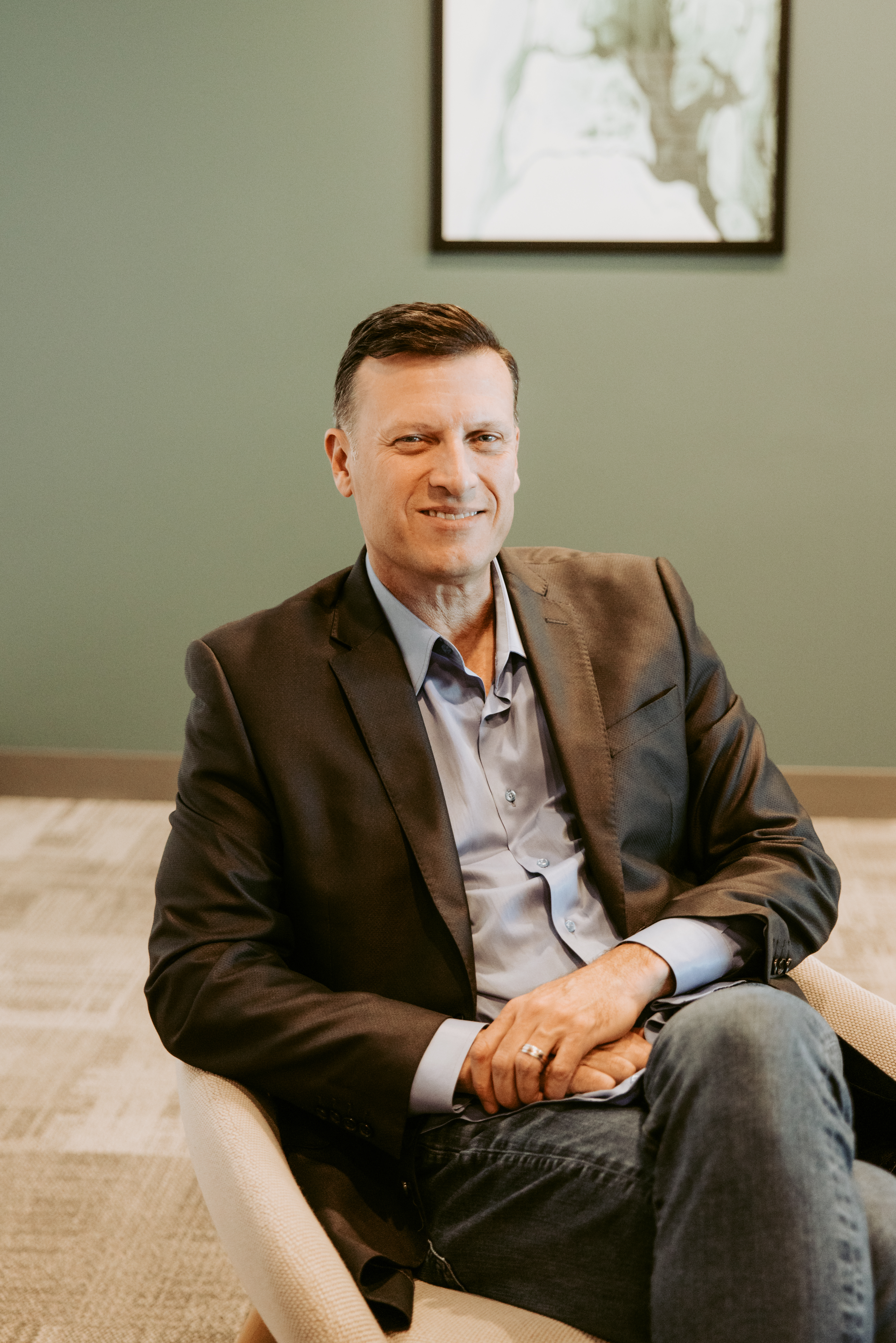
Public Speaking
Invite Eric to deliver a powerful motivational talk or an in-depth training session tailored to your business needs. Whether it's a one-time session or a full-day workshop, Eric will engage and inspire your team on a topic of your choice.
With his expertise in sales, leadership, and personal development, Eric's presentations equip your team with actionable strategies, that drive lasting results.
Corporate Training
Bring Eric into your business to identify key sales challenges, train your team, and elevate your sales performance.
By addressing specific obstacles & providing targeted solutions, Eric's training will empower your team to achieve measurable sales growth and long-term success.
JOIN AN UPCOMING EVENT
Are you interested in learning from Eric Lofholm?
FEB 17
Online Event
The Jim Rohn Speaker Model
FEB 17
Online Event
The Jim Rohn Speaker Model
FEB 17
Online Event
The Jim Rohn Speaker Model
JOIN AN UPCOMING EVENT
FEB 17
Online Event
The Jim Rohn Speaker Model
FEB 17
Online Event
The Jim Rohn Speaker Model
FEB 17
Online Event
The Jim Rohn Speaker Model
Class Schedules
All Protege classes are held live on Zoom and meet twice per month
Eric Lofholm Protégé Programs – Class Schedule
All classes are held live on Zoom and meet twice per month.
| Program | When | Time (PST) | Time (EST) |
|---|---|---|---|
| Diamond Protégé | 2nd & 4th Mondays | 2:00 PM | 5:00 PM |
| Platinum Protégé | 1st & 3rd Mondays | 2:00 PM | 5:00 PM |
| Gold Protégé | 1st & 3rd Mondays | 4:00 PM | 7:00 PM |
| Silver Protégé | 1st & 3rd Thursdays | 4:00 PM | 7:00 PM |
| Trainer Program | 1st & 3rd Thursdays | 5:00 PM | 8:00 PM |
Zoom Access & Class Reminders
A reminder email is sent to you before each class with all the Zoom information you need to join.
Access to classes is based on your current Protégé level. If you're not sure which sessions you're eligible to attend, please refer to your welcome email or contact us at [email protected].
How Eric Can Help You...
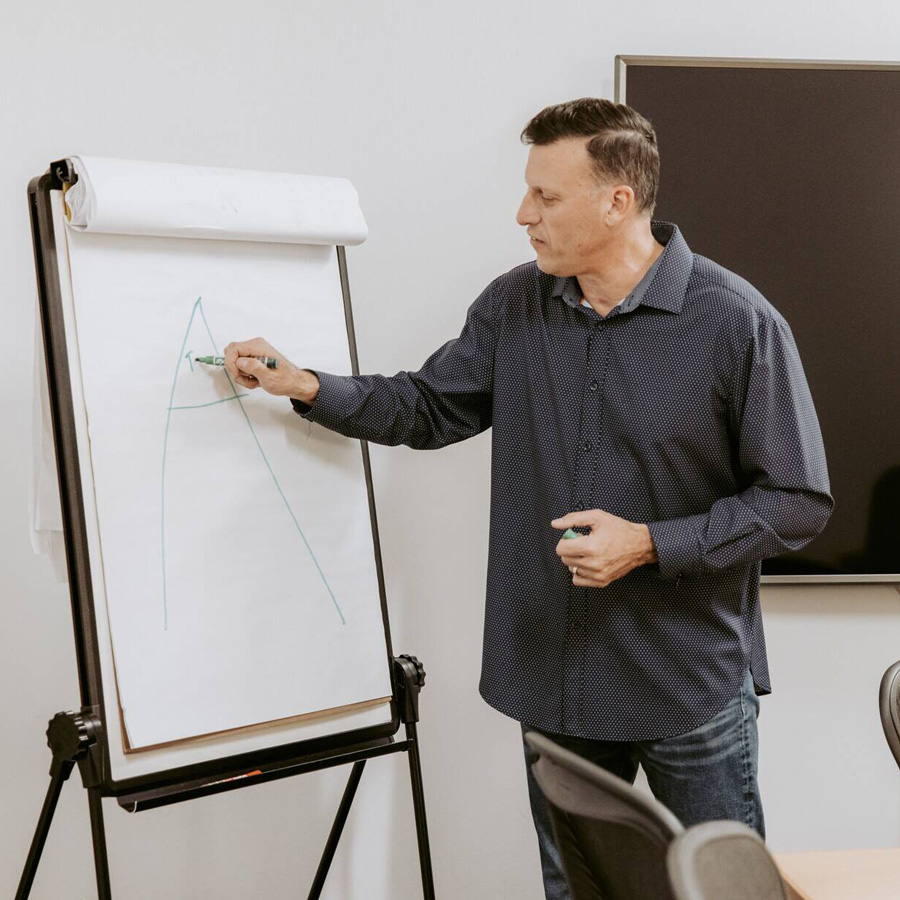
Sales Courses
These courses provide the tools to increase your sales, with practical strategies and direct guidance from Eric.
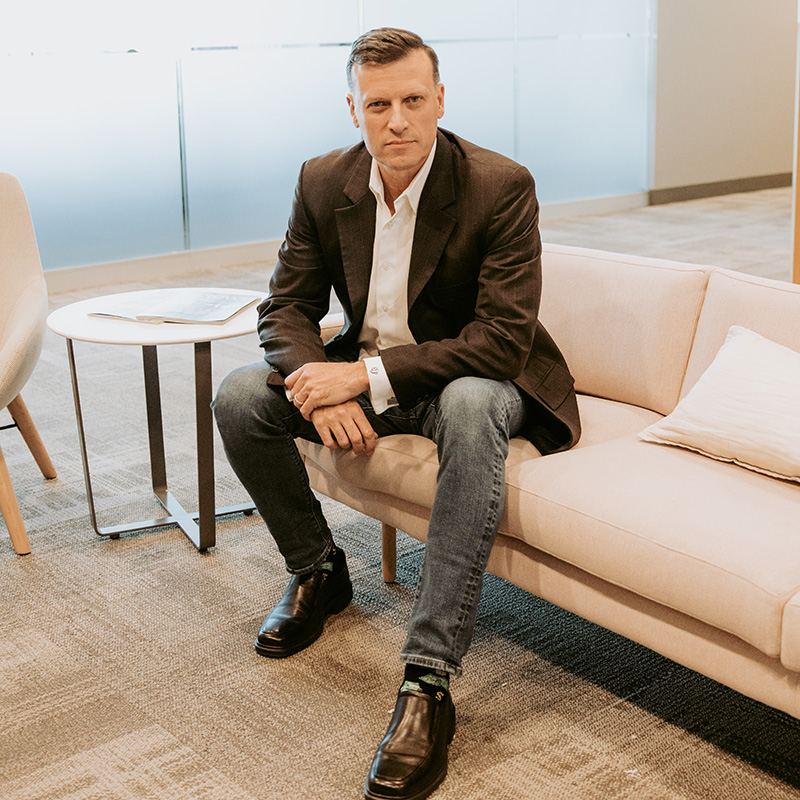
Coaching Programs
Eric offers 1-on-1 coaching that are tailored to your needs & goals. The goal is to increase your sales by improving your sales skills and sales processes.
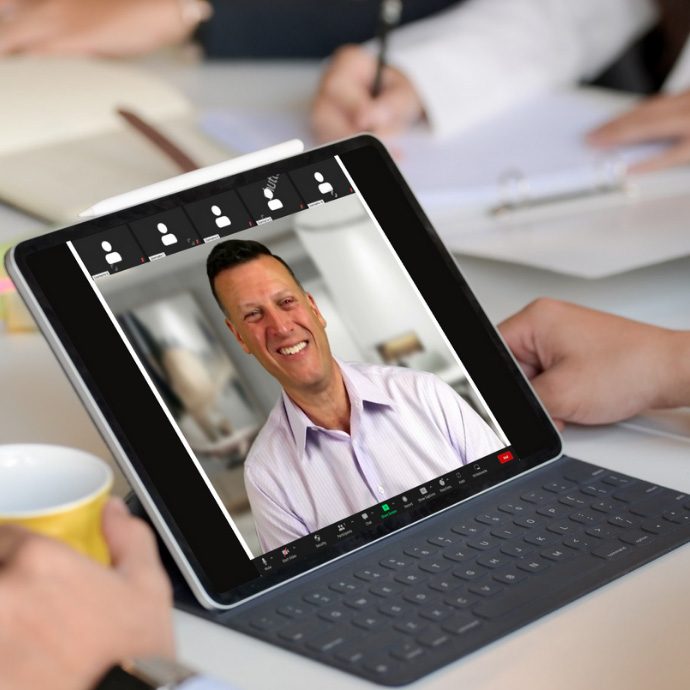
Free Sales Trainings
Eric hosts virtual Zoom classes where he shares his top sales lessons & sales ideas.
Books By Eric
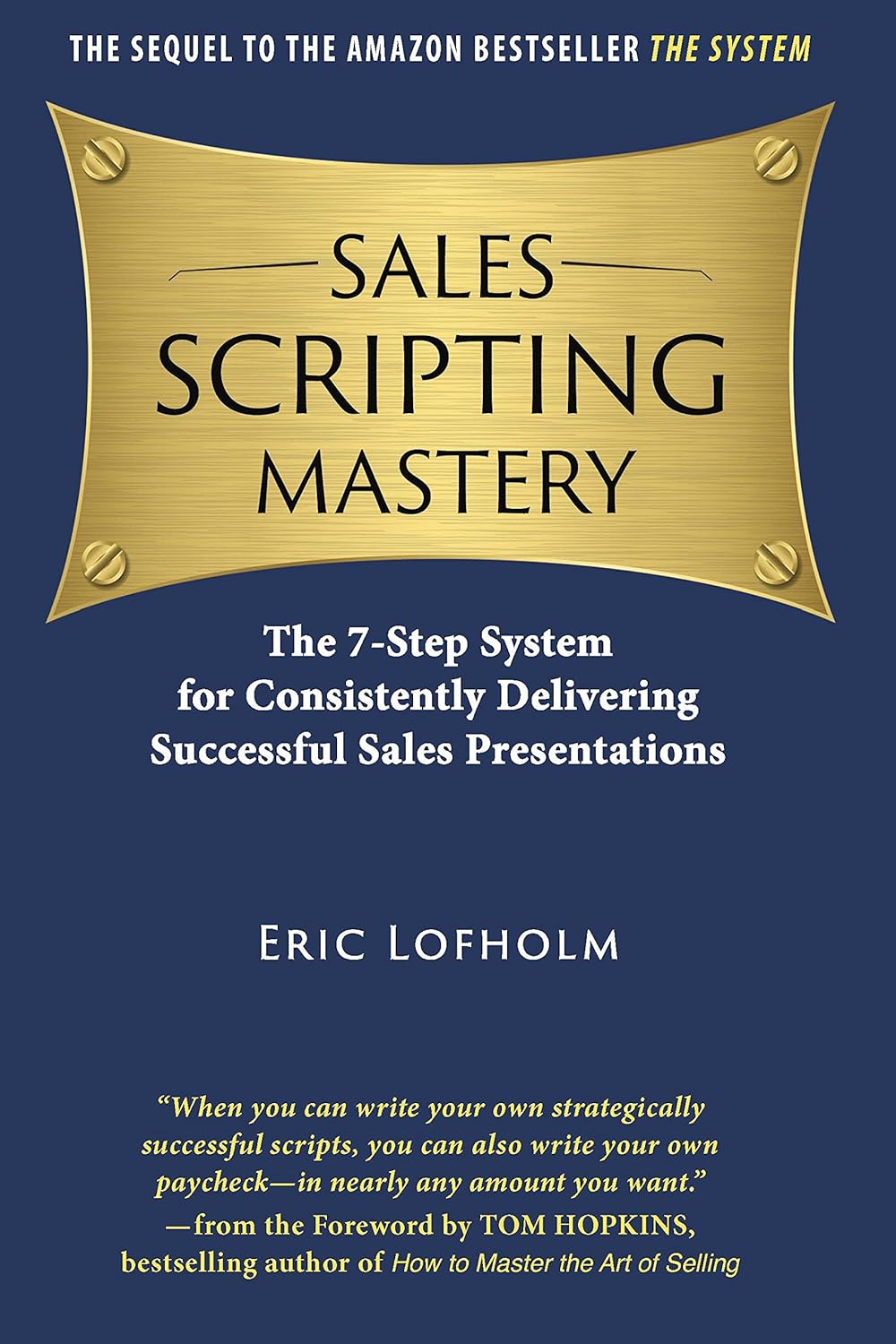
Sales Scripting Mastery
The 7-Step System for Consistently Delivering Successful Sales Presentations
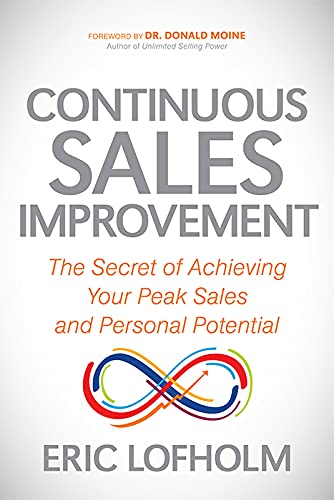
Continuous Sales Improvement
The Secret of Achieving Your Peak Sales and Personal Potential
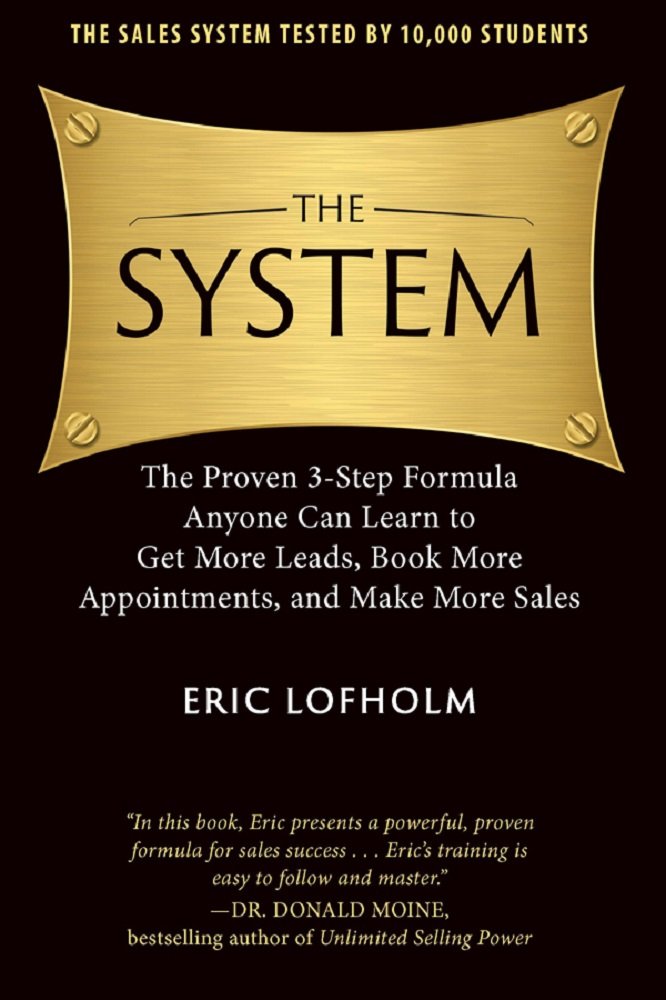
The System
The Proven 3-Step Formula Anyone Can Learn to Get More Leads, Book More Appointments, and Make More Sales
WHAT INDUSTRY LEADERS HAVE TO SAY

Brian Tracy
"Eric Lofholm is one of the greatest teachers & thought leaders in the world. His remarkable ideas & insights can chance your life forever, increase your income & save your years of hard work."

Les Brown
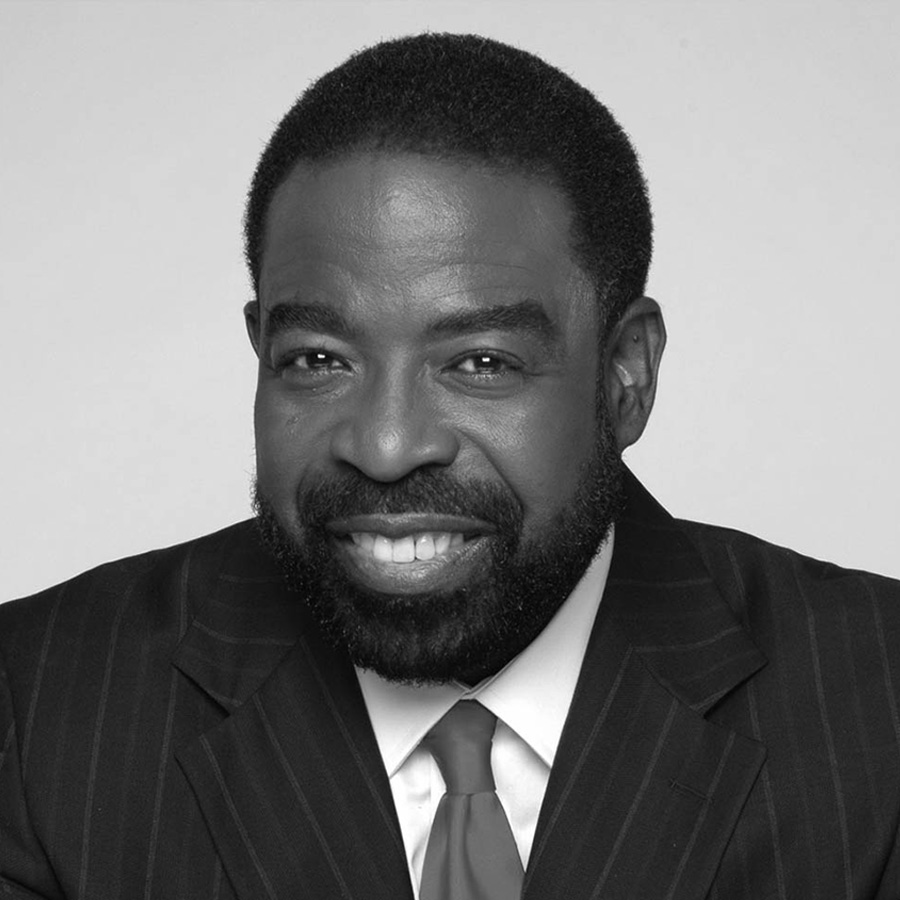
"Eric Lofholm is the top sales trainer of his generation."

Jay Abraham
"A man who has done considerable work in perfecting sales enhancement capabilities is Eric Lofholm. He's developed methodology and mindset that I believe is worth anyone exploring."
Corporate Training
Bring Eric into your business to identify key sales challenges, train your team, and elevate your sales performance.
By addressing specific obstacles & providing targeted solutions, Eric's training will empower your team to achieve measurable sales growth and long-term success.
Public Speaking
Invite Eric to deliver a powerful motivational talk or an in-depth training session tailored to your business needs. Whether it's a one-time session or a full-day workshop, Eric will engage and inspire your team on a topic of your choice.
With his expertise in sales, leadership, and personal development, Eric's presentations equip your team with actionable strategies, that drive lasting results.
Success Stories
20+ Years Of Changing Lives...
Kevin Hudoba
Neil Evans
Larry Benet
Work With Eric Directly
Eric is a seasoned sales coach with over 20 years of experience he offers personalized 1-on-1 coaching for individuals and businesses at any level.
Eric's flagship program, $1 Million Sales, is designed to help businesses and professionals across industries significantly boost their sales. Whether you're a small business owner, network marketer, sales manager, or sales representative, Eric’s proven strategies are adaptable to any industry.
Eric and his team are here to help you navigate these challenges and succeed.
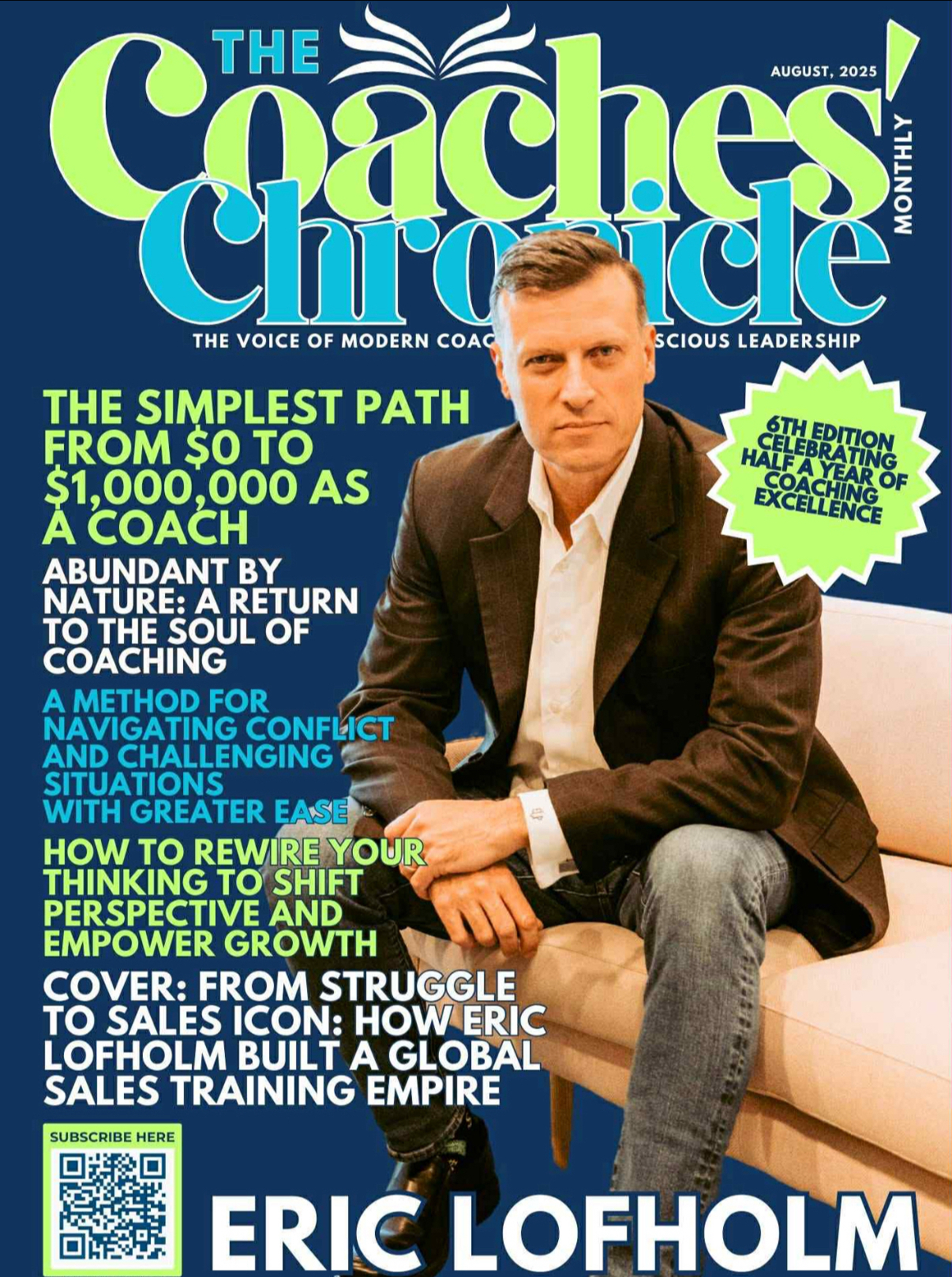
Eric was recently featured in the online magazine
The Coaches Chronicle
This article about Eric will help you get to know him better.
Work With Eric Directly
Eric is a seasoned sales coach with over 20 years of experience he offers personalized 1-on-1 coaching for individuals and businesses at any level.
Eric's flagship program, $1 Million Sales, is designed to help businesses and professionals across industries significantly boost their sales. Whether you're a small business owner, network marketer, sales manager, or sales representative, Eric’s proven strategies are adaptable to any industry.
Eric and his team are here to help you navigate these challenges and succeed.
Get Access To My Free 3-Part Course
Find out how you can generate more leads, set more appointments and close more sales. Available instantly, at no cost.
contact us
WE’RE HERE TO HELP
For Customer Service inquires complete the form below. We strive to respond to all inquiries within 2 business days.
© 2026 Eric Lofholm International, Inc. All Rights Reserved.
Terms of Service | Privacy Policy


© 2026. Eric Lofholm International, Inc. All Rights Reserved. Terms - Privacy